Three DLSPH PhD students selected as Connaught Fellows in 2025
December 18/2025
One-fifth of U of T’s Connaught Fellows in 2025 are DLSPH PhD students. These three students will spend the next year working on projects that engage the public to enhance health care.

By Bonnie O’Sullivan
Three DLSPH PhD students selected as Connaught Fellows in 2025 are embarking on special projects to engage public populations to enhance the care of those who have disabilities and/or diseases. Asha Behdinan, Catherine Stratton and Fareha Nishat are among the 15 students selected from across U of T for the Connaught PhDs for Public Impact Fellowship Program.
From September 2025 to August 2026, the students “will participate in a program of specialized skills training in public scholarship, as well as networking opportunities.” The three students have also been awarded $12,500.00 each.
IHPME student will create an app for early wound detection
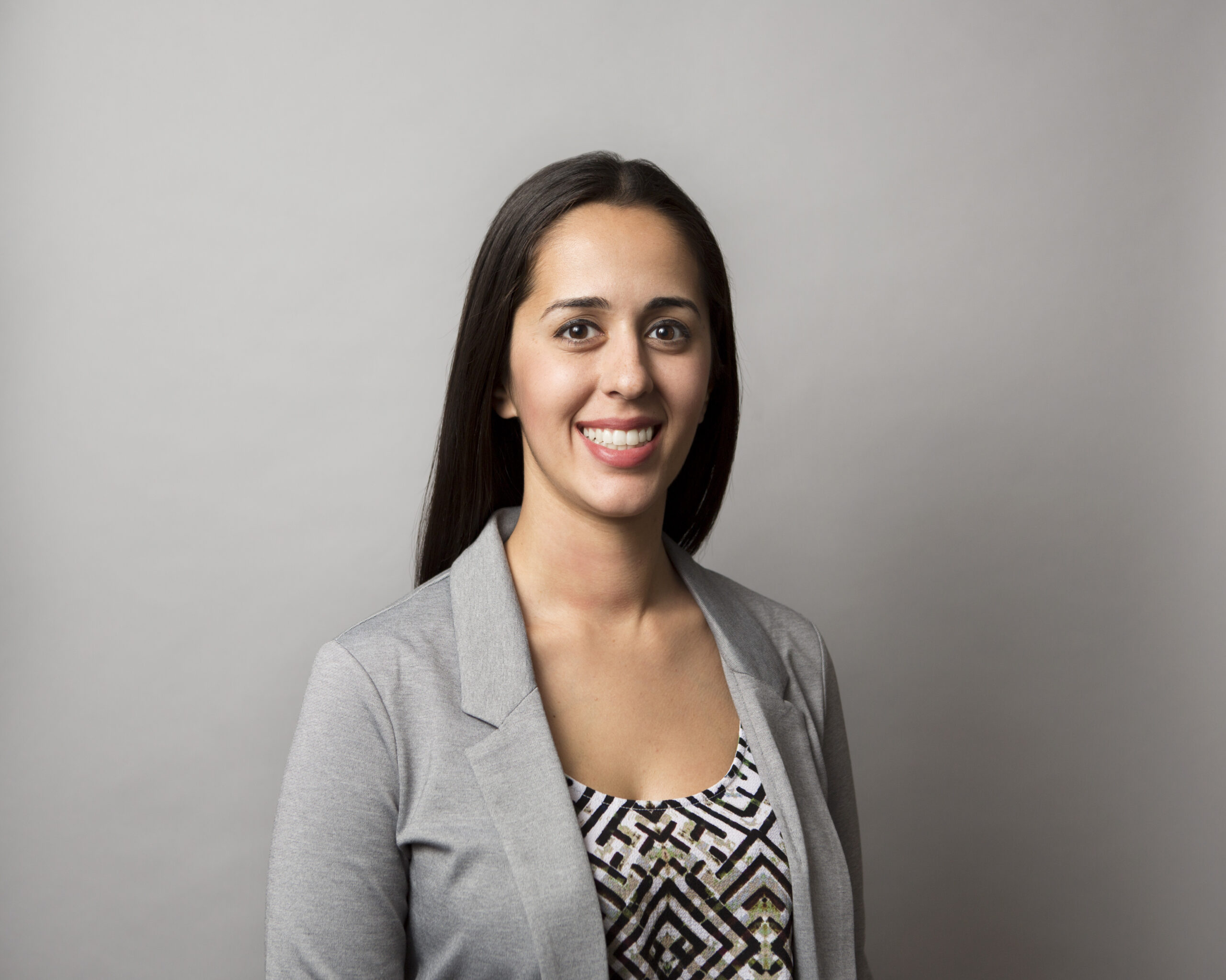 Asha Behdinan, a PhD candidate in IHPME’s Clinical Epidemiology and Health Care Research program, will be creating an app using artificial intelligence to help frontline health workers identify dangerous wounds early on so that patients get the care they need before amputation becomes required.
“I’ve cared for many patients who lost limbs because help came too late,” says Behdinan who is a vascular surgery resident. “I’ve also seen how much worse this is in under-resourced communities, both in Canada and around the world.” These experiences, along with her PhD research on amputation in low- and middle-income countries has led her to recognize the need for expert-level care in places where specialists aren’t available.
PHS student will partner with patients to develop a rare disease registry
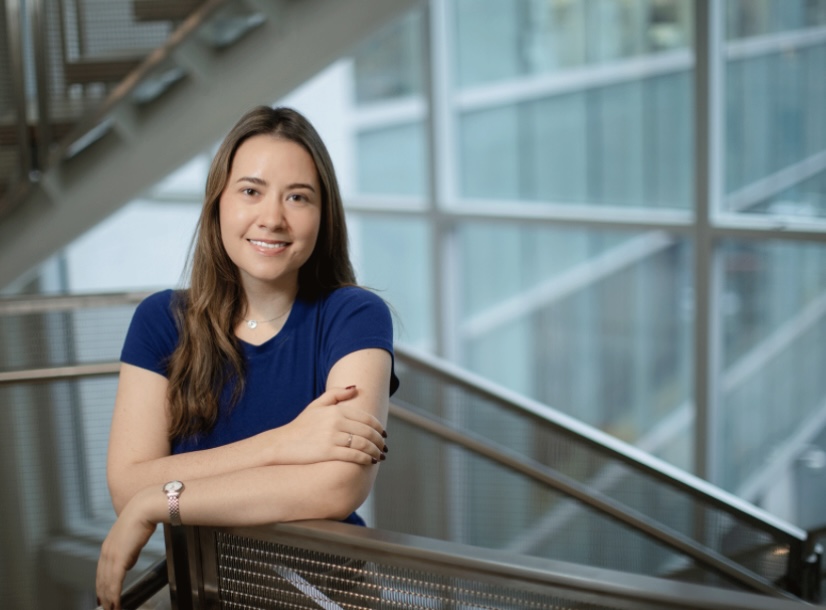
Having a personal connection to the rare disease community, Public Health Sciences (PHS) Epidemiology PhD candidate Catherine Stratton understands the feeling of finding out there is no current data to answer urgent patient questions. But Stratton sees an opportunity to improve this frustration by involving patient partners and groups to help develop registries that show patterns and priorities. “When patients lead the design and governance of these registries, the data collected tends to be not only richer but also more aligned with the priorities of those with lived experience,” says Stratton.
“My Connaught project supports these leaders by co-creating a practical toolkit to help establish patient-led registries. This resource will enable rare disease communities to generate the data they need to ask their own questions and to share knowledge with researchers and clinicians in a way that reflects what matters most to them.”
PHS student will blend data with stories by youth with chronic diseases and disabilities in new digital hub
 Using health administrative data to examine patterns of chronic disease in youth, PHS Epidemiology candidate Fareha Nishat will be co-creating a Digital Knowledge Hub with young people who have disabilities. She will be combining data with the lived experiences of the young people to “amplify their voices, foster empowerment and embody the principle of ‘nothing for us without us’.” The platform will feature plain-language summaries of her research and will include creative pieces by the youth to share their experiences with disability or chronic disease through a form of their choice.
Nishat says she was inspired to pursue this project after working closely with young people during her clinical research work at SickKids. She also credits her PhD supervisor Dr. Hilary Brown and her work supervisor Dr. Jennifer Stinson who showed her “how to meaningfully include peer researchers and patient partners in research.” Nishat adds, “This project is my way of carrying that value forward by co-creating something with youth, not just for them.”